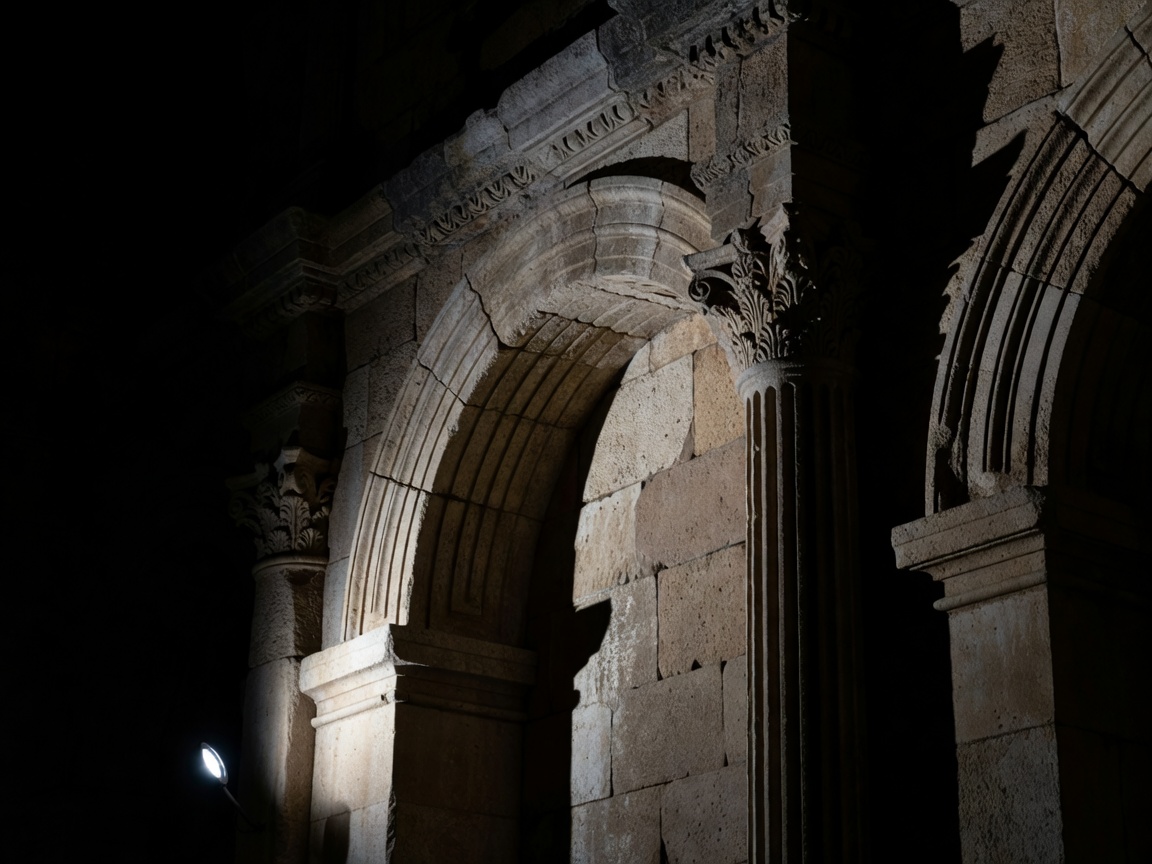
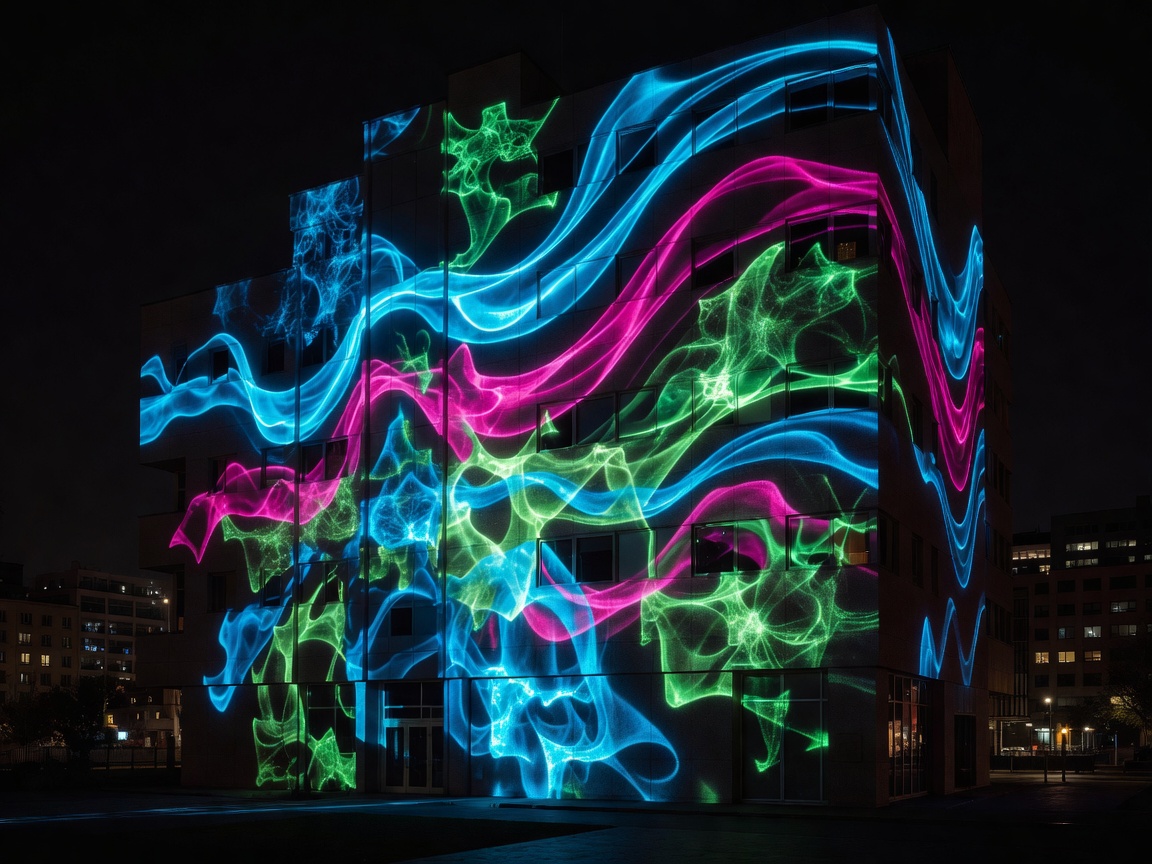
The building is not an LED display
A projection surface reflects incident light. An LED display produces light at its own emitting elements. That distinction changes how each system deals with daylight, viewing angles, detail and physical integration. A media facade may use integrated light sources, projected imagery or other technologies. Calling every illuminated building “projection mapping” hides differences that are important to understanding the work.
Where several projectors contribute to a single composition, the image may need geometric correction, overlap management and color adjustment. These are separate tasks. Correct geometry does not automatically produce an invisible join, and a smooth overlap does not correct a misplaced architectural edge. For the audience, the result can feel like one image; behind it are multiple negotiated relationships between content, optics and surface.
Public examples and different intentions
The Sydney Opera House’s Lighting of the Sails, associated with Vivid Sydney, provides a prominent example of imagery composed for an unmistakable architectural form. The sails are not a generic rectangle. Their curves and cultural identity shape how the projected work is perceived. Artist credit and the particular edition matter; a recurring event should not be treated as one unchanging artwork.
Lyon’s Fête des Lumières offers a broader context in which architecture, public routes and temporary light works intersect. Not every work in such a festival is a projection, and the distinction is worth preserving. The artists’ collective Détournement de fond’s La Maison Magique in Lyon is a useful historical reference for facade transformation, while contemporary studio 59 Productions demonstrates how projection can operate within larger scenographic and architectural narratives.
Permission is part of the medium
A building is owned, occupied, maintained and encountered by people who may not have chosen to attend a show. Content can enter homes through windows, compete with traffic information or alter a historic setting. Heritage approvals, property permission, public-space management, accessibility and environmental conditions are therefore not administrative details outside the artwork. They shape what can responsibly happen at the site.
The same applies to documentation. A dramatic online clip may compress the duration, select the best viewpoint and remove the surrounding crowd. It may also omit credits or use a soundtrack that was not present on site. Treat such footage as one representation, not a complete account of the public experience. Where possible, look for creator documentation and host-institution information together.
A slower way to watch
Begin by finding one stable architectural feature, such as a doorway or a roof edge. Follow what the image does around that anchor. Does it trace the building, pretend to dismantle it, introduce an unrelated narrative or allow its material texture to remain visible? Then move, where permitted, to a different public viewpoint and notice what changes. The comparison can reveal whether the work is built around optical illusion, graphic rhythm or an encounter with the site itself.
Reference points
- Sydney Opera House — venue and program information.
- Vivid Sydney — official event information and edition-specific credits.
- Fête des Lumières — official Lyon festival archive and program.
- 59 Productions — official design and project documentation.