Control values are not the same as a clock
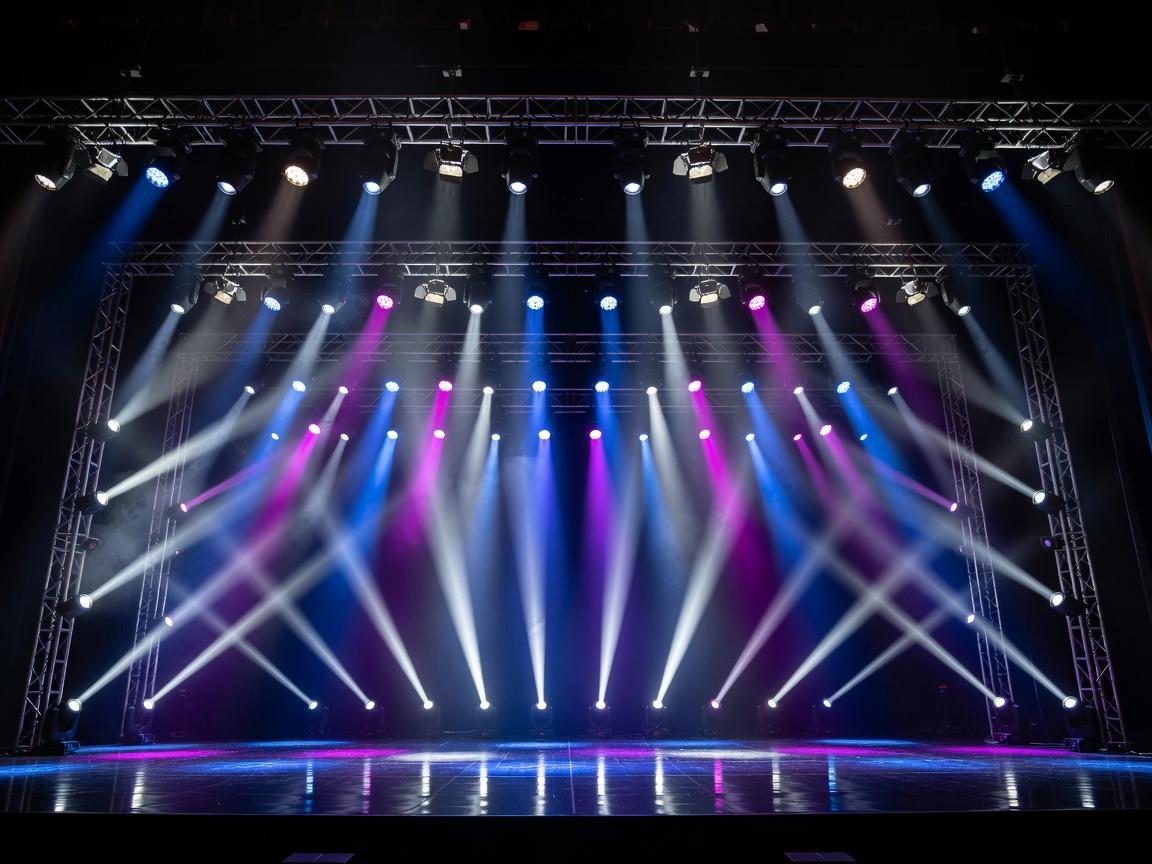
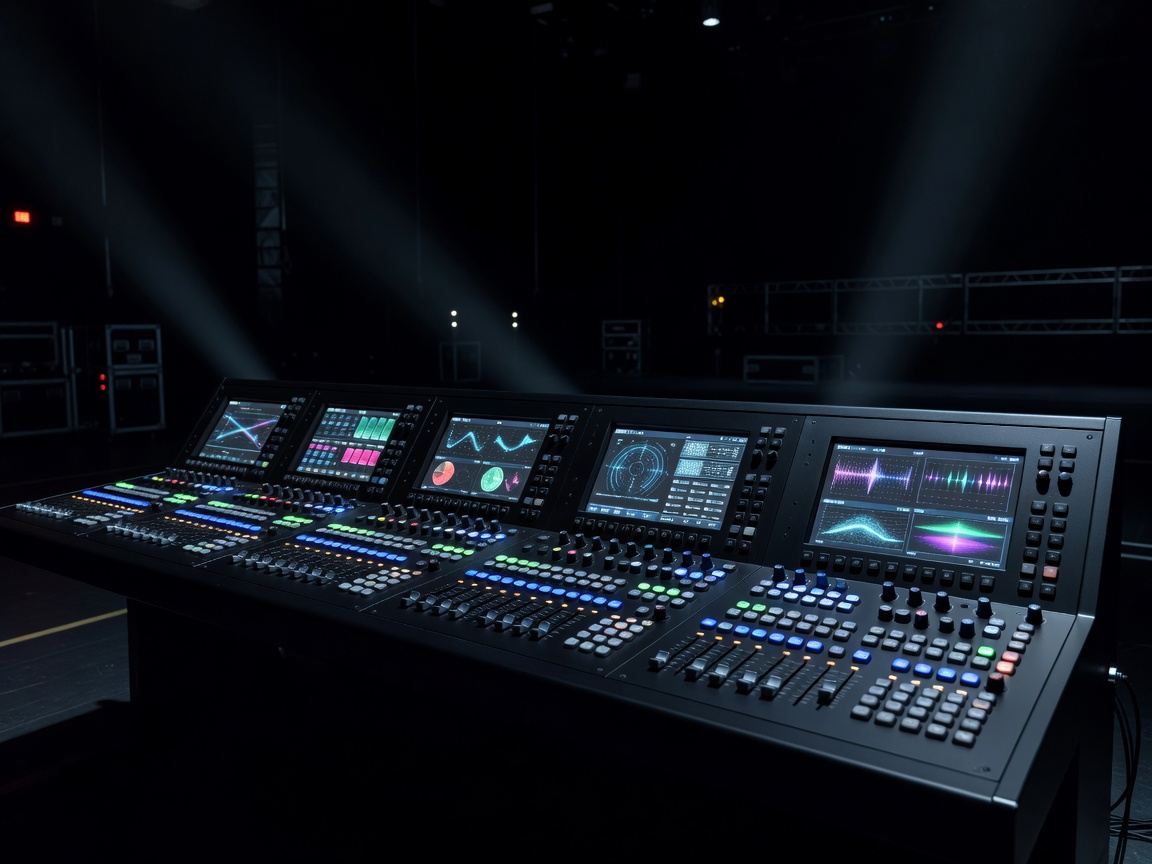
DMX512-A, standardized as ANSI E1.11, is widely associated with entertainment-lighting control. Its channels carry control values whose meanings depend on the receiving device and its configured personality. A channel may influence intensity or another parameter, but a DMX stream is not an artistic explanation of a cue. The interpretation depends on the equipment and configuration around it.
ANSI E1.31, commonly called sACN, transports lighting-control data over IP networks. Art-Net, developed by Artistic Licence, is another widely used network protocol family in this area. Neither should be described simply as “the timecode.” Network transport, device addressing, clock references and the show’s programmed structure are related layers with different responsibilities. A correct-looking diagram can still conceal important assumptions about who is authoritative and what happens after a disruption.
Latency, jitter and intention
Latency is a delay between an event and its response. Jitter describes variation in timing. A consistent delay may be accommodated in a design more readily than an unpredictable one, but neither can be judged without context. The visible consequence depends on the content: a slow ambient transition may tolerate differences that become obvious in a sharp rhythmic sequence.
Mechanical movement adds a further distinction. An object cannot be expected to appear at a new position simply because a digital value changed. Its physical travel, acceleration and control response take time. A responsible choreography respects those limits rather than treating motion as another instantaneous visual parameter. Creative timing and mechanical protection must remain coherent without being mistaken for the same function.
The interrupted performance
A polished presentation also depends on what happens when normal playback is interrupted. A lost signal, a device restart or a stopped soundtrack raises questions of state: should a subsystem hold, fade, stop or wait for an explicit instruction? There is no universal answer suitable for every installation. A lighting choice that is acceptable in one situation may be inappropriate when moving machinery, public circulation or another dependency is involved.
Rehearsal therefore includes more than checking the intended sequence. Professional teams establish responsibilities, communication, recovery behavior and appropriate protective measures. An emergency function is not simply another decorative cue, and a successful rehearsal is not certification. The distinction protects the clarity of both artistic authorship and operational responsibility.
Read the sequence in layers
At a performance, choose a recurring event and compare its layers. Does a beam arrive with a sound, does an image anticipate a physical movement, or does a deliberate delay create tension? What first seems simultaneous may be carefully staggered. Conversely, several very different actions can resolve into a single perceived arrival. This is where timing becomes a compositional material rather than merely a technical service.
An expandable cue glossary
Cue
A defined event or transition in a performance. Its implementation may span several systems and a period of time.
Timecode
A coded reference to timeline position. It is not, by itself, a complete show or a guarantee of synchronized outputs.
Latency and jitter
Latency is delay; jitter is variation in timing. Both can affect the relationship the audience perceives between events.
State and recovery
State describes a system’s current condition. Recovery concerns how it returns to an intended condition after interruption, under an appropriate professional plan.
Reference points
- ESTA Technical Standards Program — official information on ANSI E1.11, ANSI E1.31 and other entertainment standards.
- Art-Net — official protocol documentation.
- SMPTE — standards organization associated with timecode and motion-imaging systems.